 admin
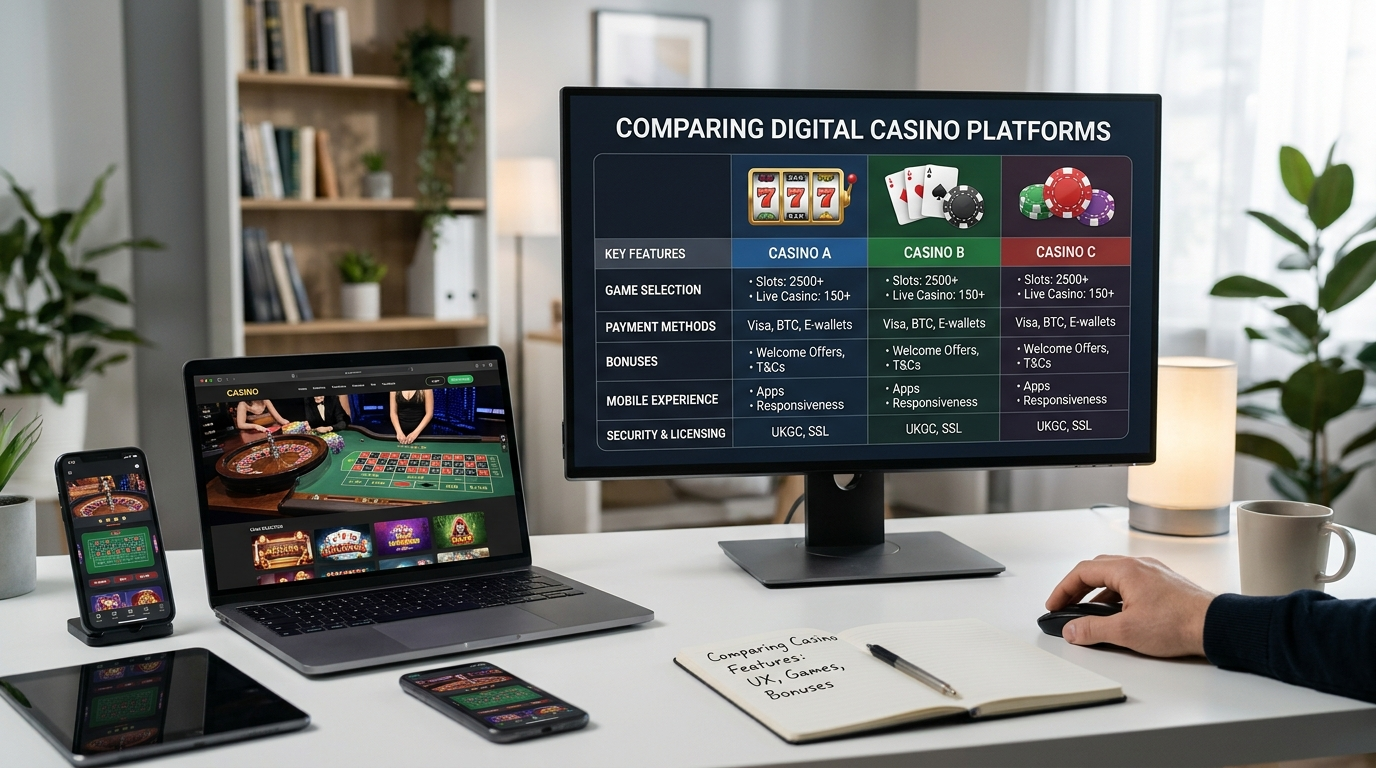
With numerous online gaming platforms active in the digital space, evaluating and comparing operators requires a structured analysis of site features, operational transparency, software quality, and regulatory compliance. This guide outlines the key criteria users should evaluate when analyzing and comparing digital gaming services.
Licensing and regulatory compliance form the primary basis for platform evaluation. Legitimate online operators hold active operational licenses issued by recognized governmental gaming authorities (such as the UK Gambling Commission, Malta Gaming Authority, or regional state boards). A valid license mandates that the operator adheres to legal frameworks governing player fund segregation, software auditing, resolution of customer disputes, and responsible gaming compliance. Users should verify regulatory credentials directly via official register databases.
Software provider partnerships dictate the quality, stability, and breadth of a platform’s game library. Top-tier platforms aggregate games from established, accredited software developers. Evaluating an operator includes reviewing the diversity of its catalog—spanning digital slots, RNG table games, live dealer streams, and specialty games. Additionally, analyzing the technological performance of the site—such as fast page load times, intuitive filtering tools, search indexing, and seamless cross-platform performance—ensures a reliable user experience.
Customer support availability and communication infrastructure serve as clear indicators of operational quality. Reliable platforms offer responsive customer service through multiple channels, including 24/7 live chat, dedicated email ticketing systems, and comprehensive self-help knowledge bases. Testing customer support response times and evaluating the clarity of terms regarding bonus conditions, withdrawal policies, and account rules helps identify platforms that prioritize transparent communication.
Payment infrastructure and administrative processing speed are also key comparison points. A quality platform supports diverse, secure deposit and withdrawal methods—including card networks, electronic wallets, and standard bank transfers—while maintaining transparent fee structures. Clear guidelines regarding processing turnaround times and sensible account verification requirements demonstrate that an operator handles user transactions responsibly.
Finally, platform evaluation must assess the integration of player safety features. Reputable sites display age warning badges, provide direct links to independent support resources, and embed self-regulation tools (such as deposit caps and cooling-off timers) directly into user account dashboards. Prioritizing platforms that balance robust technical features with strong safety policies ensures a secure, transparent entertainment experience.